Similarly one may ask, what does stress in the neck feel like?
When tension and stress build in the neck, muscles may feel tight or achy. Neck pain may also spread to the shoulder or be accompanied by a headache.
Secondly, can you feel anxiety in your neck? Tight Muscles – Anxiety will run tension through the body and impact different muscles. People feel the tightness in other areas. Some will feel it in their neck, jaw, chest, or the stomach. There is no specific area – wherever the brain sends the nerve signals.
Correspondingly, how do you get rid of stress in your neck?
More neck tension treatments
- getting a massage.
- applying heat or ice.
- soaking in salt water or a warm bath.
- taking nonsteroidal anti-inflammatory drugs (NSAIDs) like ibuprofen (Motrin, Advil) and naproxen (Aleve)
- practicing meditation.
- doing yoga.
Why is my neck so tense?
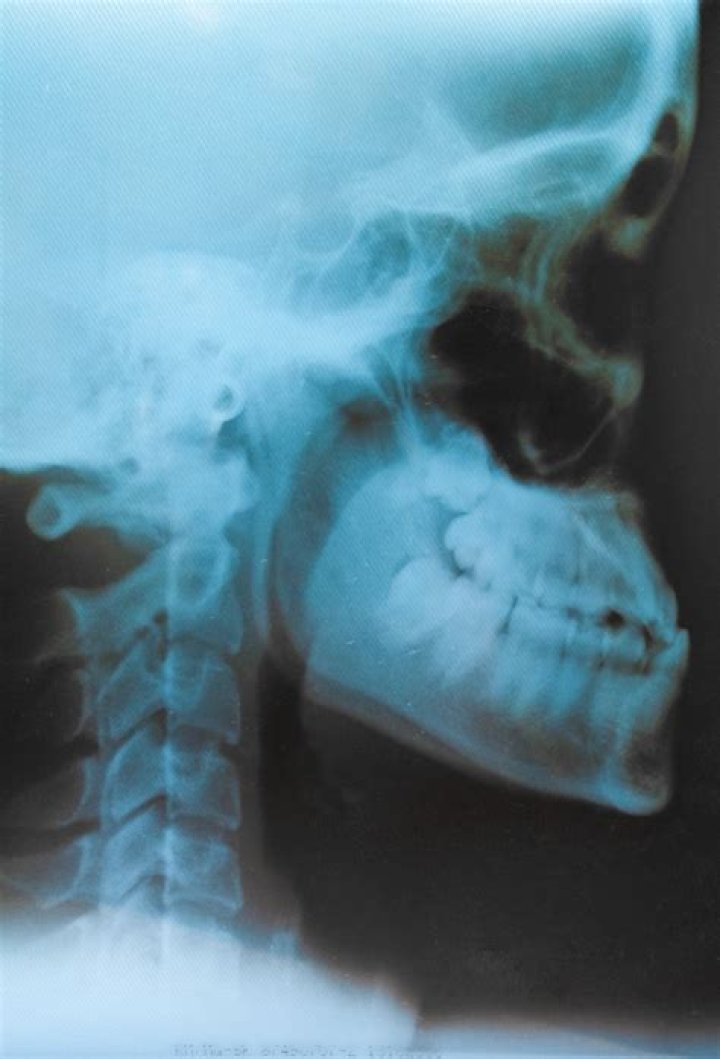
Your neck contains flexible muscles that support the weight of your head. These muscles can be injured and irritated from overuse and postural problems. Neck pain can also sometimes be attributed to worn joints or compressed nerves, but neck tension typically refers to muscle spasms or soft tissue injuries.
Related Question Answers
How do I loosen up my neck muscles?
You can do this while seated or standing.- Keep your head squarely over your shoulders and your back straight.
- Slowly turn your head to the right until you feel a stretch in the side of your neck and shoulder.
- Hold the stretch for 15-30 seconds, and then slowly turn your head forward again.
- Repeat on your left side.
Does stress make your neck hurt?
Neck pain is a common symptom caused by persistent stress, and many people have experienced neck pain as a result. The pain can center in our necks as stress and worries build. The main cause of neck pain is muscle tension. During periods of stress, our muscles can tense up.How do I know if my neck pain is serious?
Rarely, neck pain can be a symptom of a more serious problem. Seek medical care if your neck pain is accompanied by numbness or loss of strength in your arms or hands or if you have shooting pain into your shoulder or down your arm.How should I sleep with neck pain?
The best sleeping positions for the neck are on your back or your side. The back in particular is recommended; just make sure to use a pillow that supports the curvature of your neck and a flatter pillow to cushion your head.Why is my neck pain not going away?
The wrong type of exercise or a bit too much stress on your neck while it is already vulnerable can cause you to develop a more severe injury, and this could cause your neck pain to become chronic—meaning it won't go away.Can stress and anxiety cause neck and shoulder pain?
When we experience high levels of anxiety or stress, our body's natural reaction is to tense up. When this happens consistently over a long period of time it can lead to muscle tension, which can cause stiffness, aching, and pain in your neck and shoulders.Can stress cause neck and throat pain?
When you feel anxious, your body releases adrenaline and cortisol. Besides causing your heart rate and blood pressure to increase, these hormones can also cause you to take rapid, shallow breaths through your mouth. Your muscles can also tense up. This can lead to a sore or tight throat.How do I relax my neck muscles when I sleep?
Do slow range-of-motion exercises, up and down, side to side, and from ear to ear. This helps to gently stretch the neck muscles. Have a partner gently massage the sore or painful areas. Try sleeping on a firm mattress without a pillow or with a special neck pillow.Can stress cause pinched nerve in neck?
Stress and emotional tension can cause muscles to tighten and contract, resulting in pain and stiffness. Postural stress cause pinched nerves and contributes to chronic neck pain with symptoms extending into the upper back and the arms. Reducing pinched nerves can often help improve the quality of life.How do I relieve tension in my neck and headaches?
Here are 11 tips to help relieve headache and neck pain without medication.Just remember to stop a treatment if it makes your pain worse.
- Apply firm pressure.
- Try heat therapy.
- Use an ice pack.
- Maintain good posture.
- Sleep, but don't oversleep.
- Find the right pillow.
- Keep a daily journal.
- Visit a physical therapist.
How do you relieve tension in your neck and shoulders?
Techniques that can reduce stress include deep breathing, yoga , meditation, and art or music therapy. Choose one you can do during the day to slow down and relax. Get a massage. A gentle massage is a great way to relieve stress and neck pain, too, because it gets blood flowing into your sore muscles.How long does a stiff neck last?
When you have a stiff neck, the soreness and restricted range of motion can make routine activities difficult. Symptoms typically last from just a day or two to a couple of weeks, and may be accompanied by a headache, shoulder pain, and/or pain that radiates down your arm.Can anxiety make your throat feel tight?
Stress or anxiety may cause some people to feel tightness in the throat or feel as if something is stuck in the throat. This sensation is called globus sensation and is unrelated to eating.How do you relax your neck for anxiety?
Get a Gentle MassageOne of the best ways to decrease the amount of pain in your neck is to massage the muscles that are most irritated. Letting someone else do the massaging for you can reduce the amount of strain experienced. Moreover, adding hot or cold compresses can provide quicker relief during a tender rub down.
What does anxiety physically feel like?
In the short term, anxiety increases your breathing and heart rate, concentrating blood flow to your brain, where you need it. This very physical response is preparing you to face an intense situation. If it gets too intense, however, you might start to feel lightheaded and nauseous.How do you relax your throat from anxiety?
Relax your chest by breathing out.You tense these muscles by pushing your tongue against the roof of your mouth.
- Start now and count steadily to ten, notice the tension.
- Relax your tongue.
- Notice the difference between tension and relaxation in your tongue and throat.
- Keep focusing on the word relax.