Also asked, what is illusionistic space?
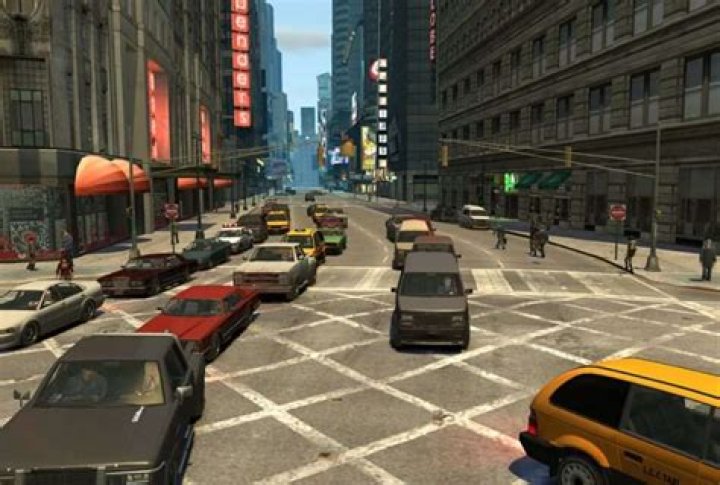
These plastic spatial concepts, also called illusionistic space, are those dealing with three-dimensional images in relatively two-dimensional presentations. It is the establishment of creating one vertical plane behind another. Most often, the larger an image is in size the closer it appears to the viewing window.
Similarly, what are the 5 types of space in art? Space can be divided into different types, thus having slightly different definitions, as follows:
- Two-Dimensional Space.
- Three-Dimensional Space.
- Four-Dimensional Space.
- Positive and Negative Shapes.
- Direction and Linear Perspective.
- Proportion / Scale.
- Overlapping Shapes.
Likewise, people ask, what are the three types of space in art?
The space in a painting, for example, includes the background, foreground and middle ground, while three-dimensional space, like sculpture or installation , will involve the distance between, around, and within points of the work. Space is further categorized as positive or negative.
What are the different types of space in art?
There are two types of space that exist within art — positive space and negative space. Positive space is the actual objects or shapes within an artwork and negative space is the space around and between those objects.
Related Question Answers
What is an illusion?
Illusion, a misrepresentation of a “real” sensory stimulus—that is, an interpretation that contradicts objective “reality” as defined by general agreement. An illusion is distinguished from a hallucination, an experience that seems to originate without an external source of stimulation.Is illusionistic a word?
a theory or doctrine that the material world is wholly or nearly wholly an illusion. — illusionist, n. — illusionistic, adj. -Ologies & -Isms.What is pictorial space in art?
Pictorial space is the illusory space in a painting or other work of two-dimensional art that seems to recede backward into depth from the picture plane, giving the illusion of distance.<br><br>The birth of the modern concept of pictorial space can, in part, be traced back to 14th century serial narratives that depictWhat is an illusion in art?
The term illusionism is used to describe a painting that creates the illusion of a real object or scene, or a sculpture where the artist has depicted figure in such a realistic way that they seem alive.What are three other ways that describe how artists use space in their art?
A two-dimensional painting or photograph in which the composition fills the space completely. An example of land art. An image in The Times in which the use of space could be described using one of these words: “dense”; “open”; “cluttered”; “symmetrical”; “shallow”; and “flat.”What is pictorial illusionism?
Illusionism. Definition and background: A pictorial technique to convey through unreality a sense of reality, the method often employs light and shadow and perspective to manipulate the visual response.What is Renaissance illusionism?
≈ Leave a comment. Illusionism is the technique used by artists to create perspective illusion, when the viewer is tricked into mistaking painted objects for real ones. In the Renaissance era it was very admired, since it cares the ambition of bringing images into existence.What is the definition of realism in art?
In its specific sense realism refers to a mid nineteenth century artistic movement characterised by subjects painted from everyday life in a naturalistic manner; however the term is also generally used to describe artworks painted in a realistic almost photographic way.What are the two types of space?
There are two types of space:Posititve and Negative Positive Space is the area that an object takes up. Negative Space the the empty area around or in the holes of the object.What are elements of space?
The Element of Design Space refers to the area within, around, above or below an object or objects. It is important to creating and understanding both two dimensional or three dimensional works of art. With three dimensional art the space things occupy is real as is the space around object.What is positive space?
Positive space refers to the subject or areas of interest in an artwork, such as a person's face or figure in a portrait, the objects in a still life painting, or the trees in a landscape painting. Negative space is the background or the area that surrounds the subject of the work.How does art make space?
There are six ways an artist can create the illusion of space on a 2-Dimensional surface. Overlapping - occurs when objects that are closer to the viewer prevent the view of objects that are behind them. Placement on the paper - Objects placed higher within the picture plane will appear further away.How would you create an illusion of space in a room?
6 Simple Ways to Create the Illusion of Space in Your Home- Embrace all things monochrome. While you may love to bathe your rooms in colour, this could be making them appear a lot smaller and overcrowded.
- Use mirrors.
- Be selective with your furniture.
- Create large expanses of floor space.
- Use curtains and drapes strategically.
- Keep the lights low.